What Should a Good Dog Daycare Day Look Like?
A good daycare day is about more than sending home a tired dog. Learn what to look for in temperament testing, compatible play, enrichment, rest, supervision, and honest communication.
A dog who comes home exhausted did not necessarily have a great day. Quality daycare should support a dog’s physical, mental, and emotional well-being—not simply keep them moving for hours.
Daycare Is Not Right for Every Dog
Dogs are individuals. Some thrive in social group settings. Others prefer smaller groups, one-on-one attention, shorter visits, or activities that do not involve group play. Age, health, confidence, play style, and past experiences all matter.
The American Animal Hospital Association recommends positive, individualized social experiences and warns that forcing an uncomfortable dog into social exposure can increase fear rather than resolve it. A responsible daycare should be willing to say when its environment is not the right fit for a particular dog.
1. A Thoughtful Temperament Evaluation
A temperament evaluation should be more than a quick introduction to another dog. It is a starting point for learning how a dog communicates and what type of environment may suit them.
Staff should observe how the dog handles separation from their person, responds to unfamiliar people and gentle handling, reads other dogs’ signals, enters and exits play, responds to redirection, and recovers after excitement.
No single evaluation can predict every future interaction. Behavior can change with the group, environment, health, and stress level, so good staff keep observing after the first day.
2. Compatible Play—not Maximum Play
More dogs and more activity do not automatically create a better experience. Healthy play should be mutual and flexible. Dogs should take turns chasing and being chased, pause naturally, respect signals, and be able to disengage.
Groups should be arranged around compatibility—not only size. Energy level, confidence, communication style, age, and play preferences matter. Staff should step in early when play becomes one-sided, overly intense, or stressful.
3. Enrichment Beyond Running Around
AAHA describes enrichment as activities that engage an animal’s physical, sensory, cognitive, and social needs. For dogs, that might include sniffing, food puzzles, training games, appropriate chewing, obstacle work, exploring different textures, or positive social interaction.
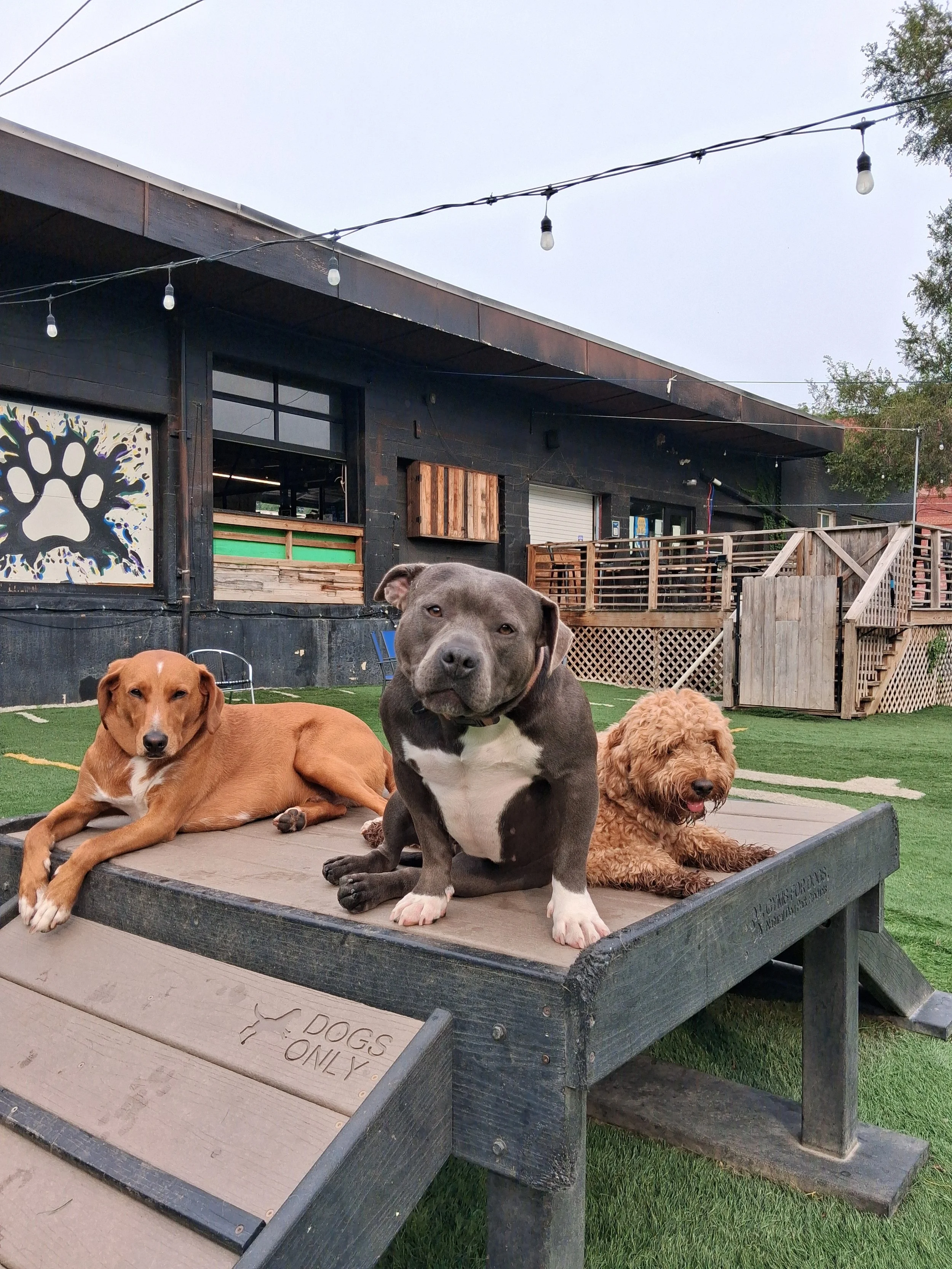
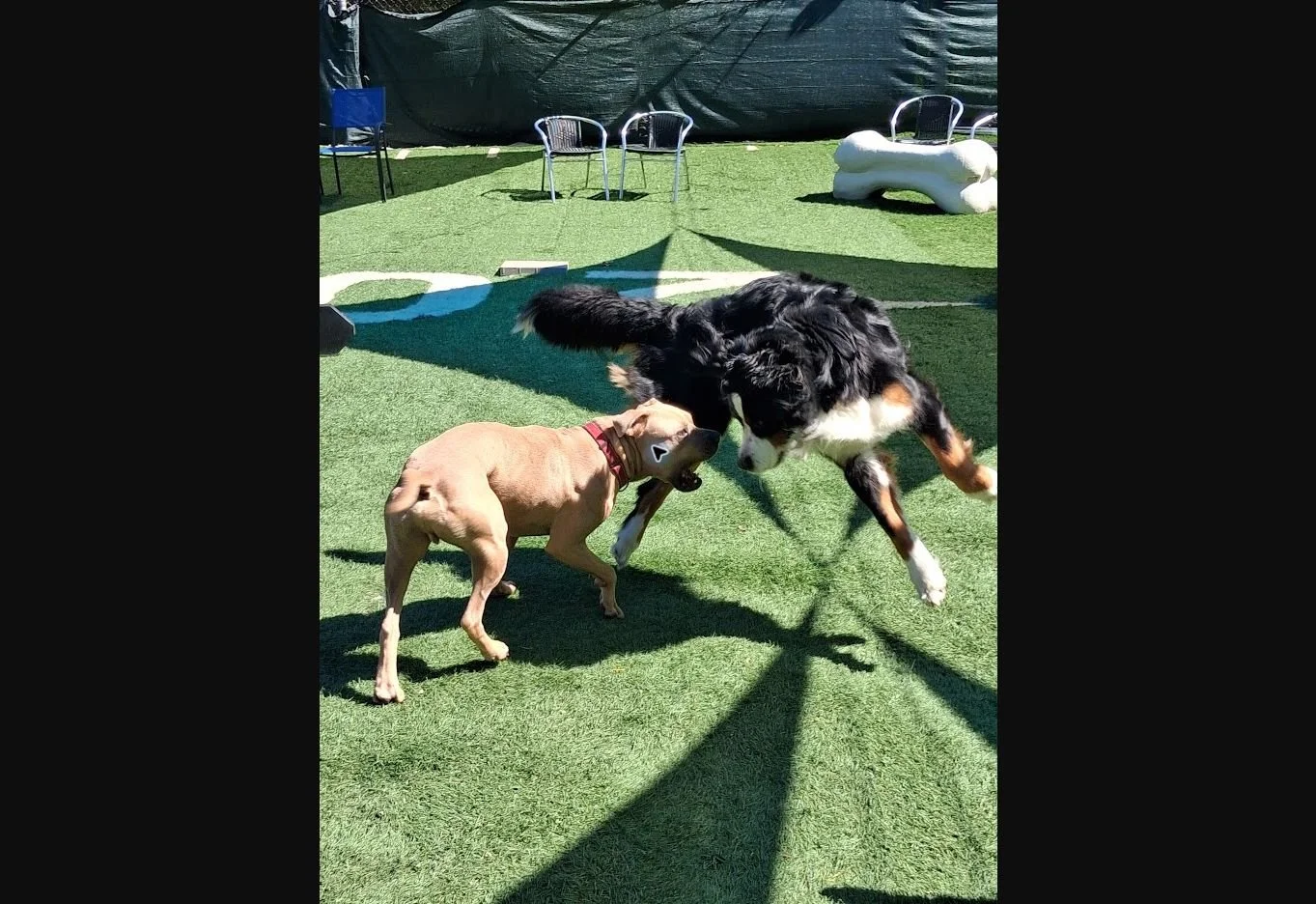
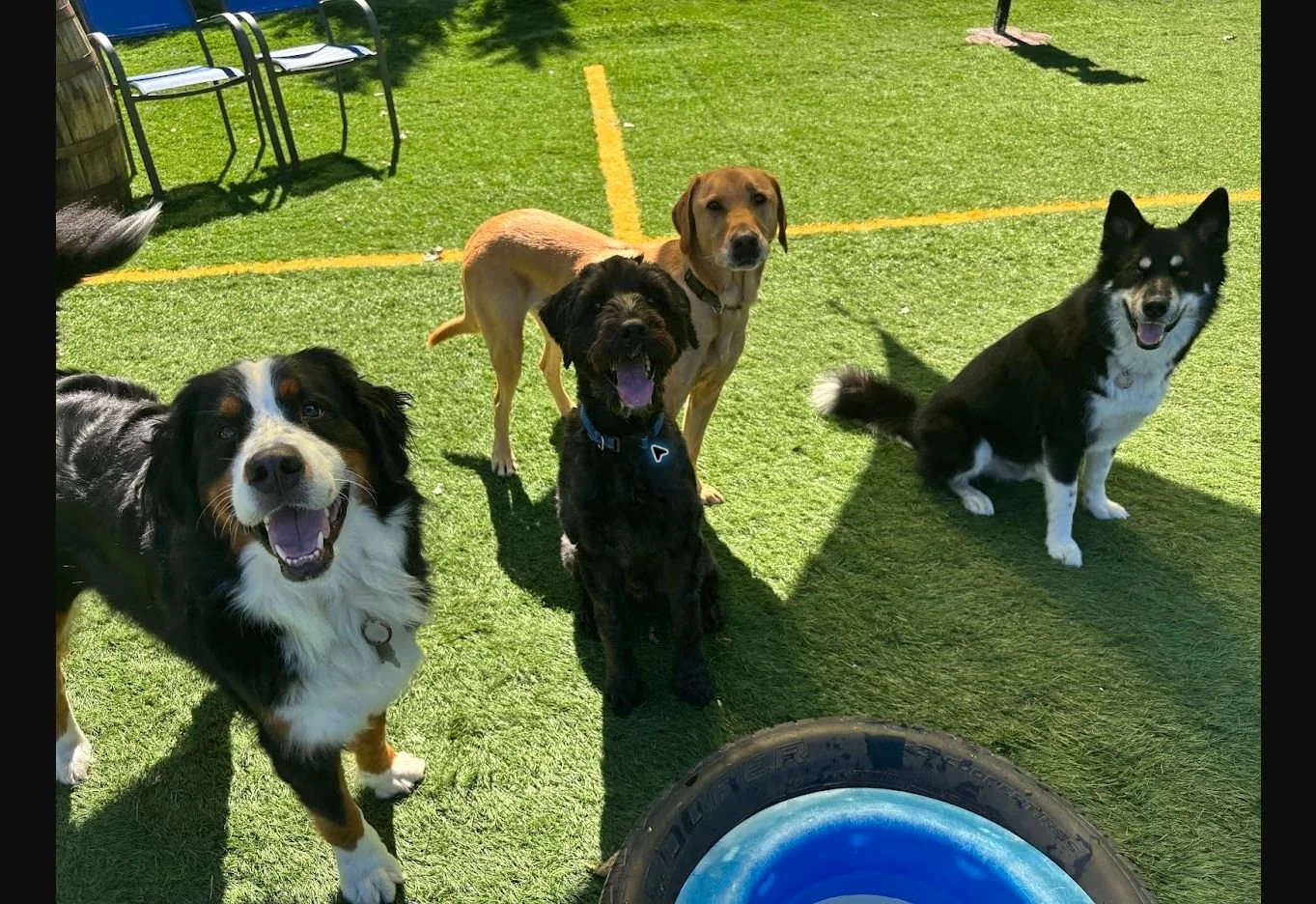
Variety matters because different activities meet different needs. A dog who loves to wrestle may also enjoy scent work. A dog who is not interested in group play may still have a rewarding day through puzzles, training, or one-on-one attention.
4. Planned Rest and Recovery
Dogs need opportunities to settle. Constant stimulation can make it harder for some dogs to regulate themselves, and overtired dogs may become more irritable or impulsive.
AAHA notes that sleep and rest are important to behavior and overall well-being. A good daycare schedule should include calm periods and a place where dogs can relax away from active play. Rest is not a sign that daycare is boring; it is part of a balanced day.
5. Active, Knowledgeable Supervision
Supervision means more than having an adult in the room. Staff should actively watch body language, notice subtle signs of discomfort, manage the environment, redirect dogs before tension escalates, and adjust groups or activities when needed.
Ask how staff are trained, how groups are organized, what happens when a dog needs a break, and how incidents are handled and communicated.
6. Honest Communication With Dog Parents
“Your dog did great” may be reassuring, but it does not tell you much. Useful daycare communication can include how your dog entered the environment, who they preferred to play with, which activities they enjoyed, whether they rested, how they responded to redirection, and whether staff noticed any change in behavior, appetite, energy, or bathroom habits.
Transparency builds trust. Small details can help families understand their dog and can reveal patterns before they become larger concerns.
7. A Day Built Around the Individual Dog
The best daycare experience is not identical for every dog. One dog may want several rounds of social play. Another may prefer short play sessions, enrichment, and extra rest. A senior dog and an adolescent dog should not be expected to follow the same rhythm.
Quality daycare adapts the day to the dog whenever possible rather than expecting every dog to fit one schedule.
Questions to Ask Before Choosing a Daycare
How are dogs evaluated before joining group play?
How are playgroups created and adjusted?
What training do staff members receive in canine body language?
How do dogs get breaks from activity?
What enrichment is offered besides group play?
How are injuries, stress, or behavior concerns communicated?
What happens if daycare is not the right fit for my dog?
What information will I receive about my dog’s day?
How Taps & Tails Approaches Daycare
At Taps & Tails, every new daycare dog completes a temperament evaluation so our team can learn about their comfort level, communication, and play style. We use that information—along with continued observation—to help create a day that fits the individual dog.
Our Cleveland daycare combines supervised social time, indoor and outdoor activity, enrichment, and opportunities to rest. We also believe communication matters. We share how dogs did throughout the day, including the small details, because families deserve an honest picture of their dog’s experience.
The goal is not simply to send home the most tired dog possible. It is to provide a safe, engaging, well-balanced day that helps each dog feel successful.
Looking for Dog Daycare in Cleveland?
Learn more about Taps & Tails daycare, our temperament evaluations, and how we help dogs play, learn, rest, and thrive.